


What is El Niño and how are our project sites preparing for it?
The end of the year means the rainy season is approaching for our project areas, often a welcome sight after the dry months before. However, this year brings an intensified El Niño, a natural climate phenomenon that changes global weather patterns. It is forecasted to bring enhanced rainfall until February at our project areas, meaning risk of flooding, soil erosion, and damaged crops. Good news is: we have been hard at work sharing tips with local farmers and pastoralists to ensure preparedness for these shifting conditions. Keep reading to learn more about El Niño and the specific steps we are taking to prepare for it!
What is El Nino?
El Niño is the warm phase of the El Niño Southern Oscillation (ENSO), a natural climate phenomenon that affects weather patterns worldwide. The effects of El Niño can be quite unpredictable, and brings risks of flooding, drought, storms, heat waves, and fires depending on the area. One region can be hit with flooding while another experiences drought, or a region can experience both! These extremes post serious risks to people living in those areas and their livelihoods, as it can damage crops, infrastructure, and livestock.
This year’s El Niño
This year’s El Niño is predicted to be particularly extreme, with the peak hitting towards the end of the year from October to December but continuing until February 2027. Kenya and Tanzania have been highlighted as specifically being at risk. As a result, our project sites are forecasted to be hit by heavy rainfall with high risk of flooding and soil erosion. In order to ensure local farmers and pastoralists are prepared for the incoming extreme weather, we have created a guide that we are sharing around with various tips and techniques.
How to prepare
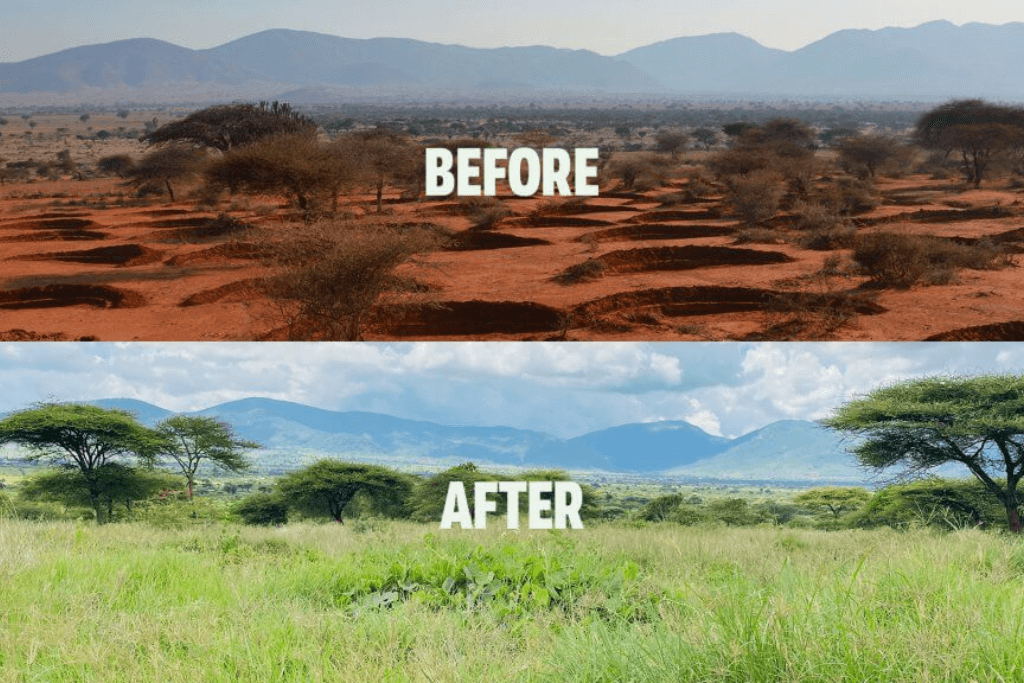
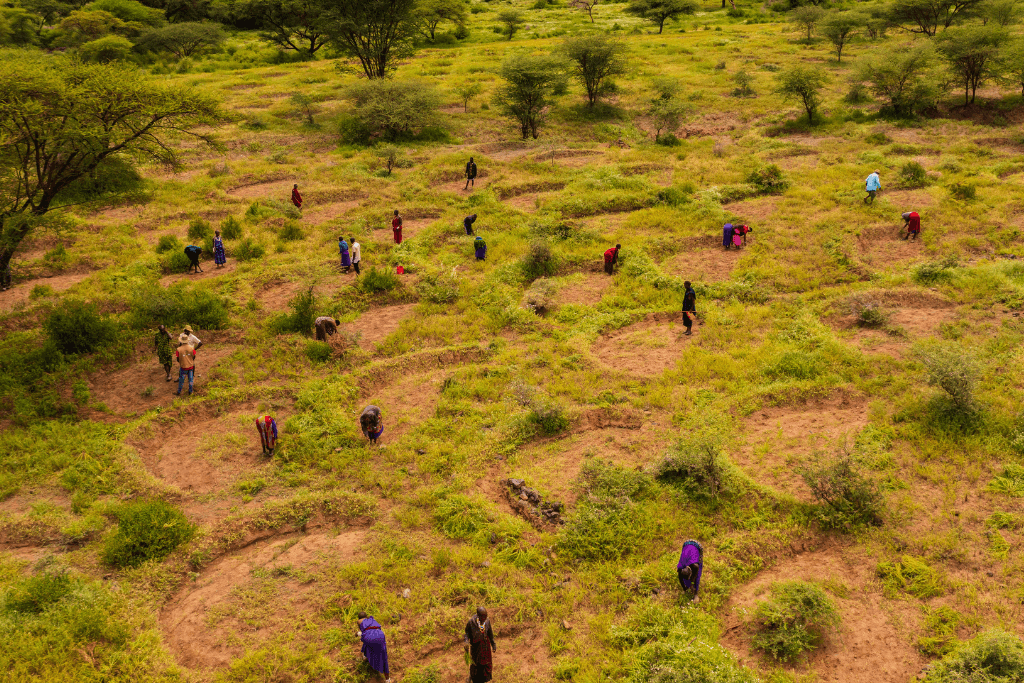
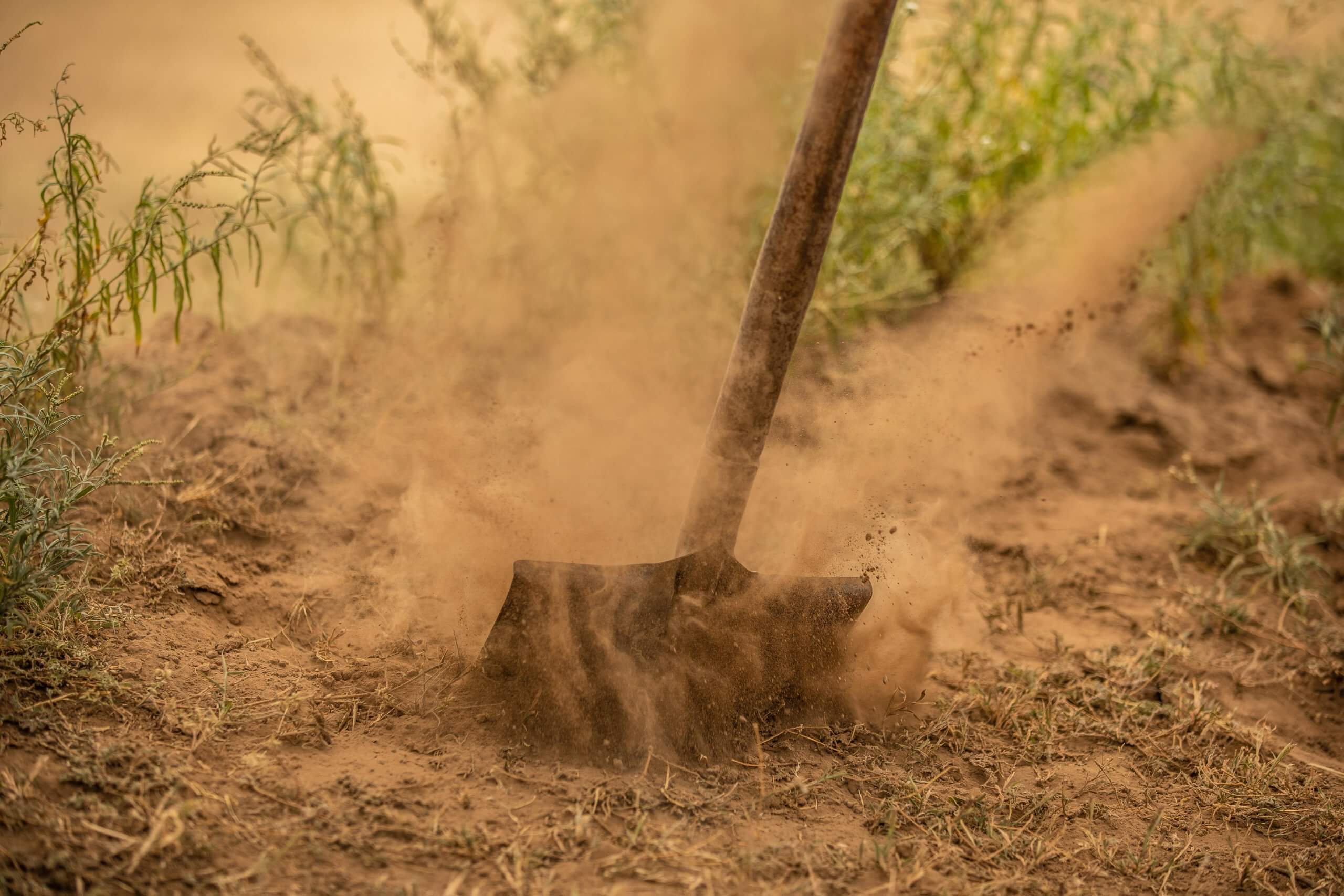
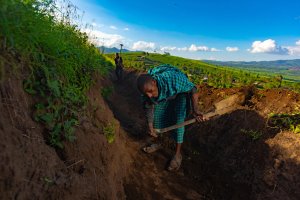
With such unpredictable conditions expected, proper preparation is key to being ready for the storms coming. That’s why we have developed some synthesised actions that are relevant to our farmers/pastoralists in preparation towards El Niño. We usually have a set of activities we do with the farmers and pastoralists such as water bund digging, fanya juu/fanya chini, and treecovery. El Niño calls for an added messaging that would be relevant to prevent soil erosion and encourage water harvesting and conservation. That’s why we have come up with 11 tips for farmers and pastoralists to ensure the safety of themselves, their crops, and their livestock
- Know your risks: check your farm for areas most vulnerable to flooding, erosion, and fast-moving water.
- Stay informed: Follow local weather forecasts and El Niño updates through radio, phone, and other media
- Harvest rainwater: Use drums, tanks, or small ponds to store rainwater for dry spells. Plan long-term water harvesting. Ask upslope neighbours to do the same to slow runoff
- Keep drainage clear: Keep natural drainage routes open, especially during heavy rainfall
- Diversify your crops: Grow a mix of crops, including varieties that tolerate excess water
- Store animal feed: Prepare hay, silage, or crop residues ahead of heavy downpours to feed your livestock
- Monitor and adapt: Keep checking conditions. Adopt suitable new technologies and climate-smart farming procedures
- Use the Kijani app: Download the Kijani app and enable location for recommendations and farming and livestock tips specific to your area
- Secure your farm: Secure fences and other farm infrastructure against strong winds
- Protect your soil: Plant along contours, use mulch and build barriers to slow flowing water and reduce erosion
- Harvest and store: Harvest mature crops early to avoid rain damage. Keep storage dry, clean and protected from moisture.
These tips will be shared primarily through flyers and the Kijani App, but also through verbal communication. We hope everyone stays safe in the coming months, and we will continue to work to cool down the planet!